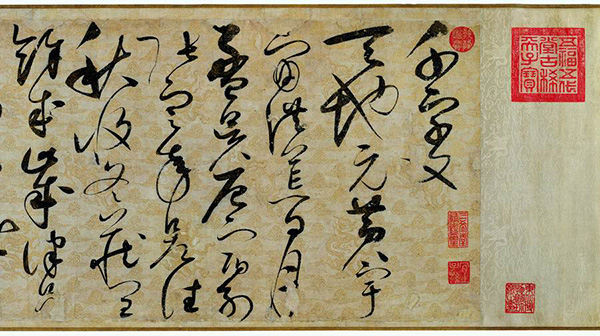
Cursive Script
Introduction
Cursive script, known as "caoshu" in Chinese, is a style of Chinese calligraphy that is characterized by its fluid and swift strokes. This script allows for more freedom in expression and is often seen as a reflection of the writer's emotions.
The cursive script is historically significant and has been practiced and revered by many famous calligraphers throughout Chinese history. It plays an important role in Chinese culture, not only as a form of artistic expression but also as a means of connecting with the nation's deep historical and cultural heritage.
Historical Context and Development
The cursive script has a history that dates back over 2,000 years. It evolved from the need for quicker and more spontaneous writing, and it gradually developed into an art form that allowed calligraphers to express their personal styles and emotions. Over the centuries, many calligraphers have contributed to its evolution, each adding their unique flair and interpretation to the script.
One of the most legendary pieces of cursive script is the "Preface to the Orchid Pavilion Gathering" by calligrapher Wang Xizhi (303-361). His work is celebrated for its elegance and is considered a classic example of cursive script. Wang Xizhi's influence on the cursive script is profound, and his style continues to inspire calligraphers to this day.
Cursive Script in Modern Times
Cursive script remains a vibrant and relevant art form in modern Chinese culture. It is taught and practiced in various educational institutions, and numerous exhibitions showcase the work of contemporary calligraphers who explore new interpretations and styles of cursive script. In fashion, cursive script is also used for artistic design, demonstrating its adaptability and enduring appeal.
The legacy of the cursive script is also being digitally preserved and promoted, making it accessible to a global audience. Digital technology allows for the widespread sharing and appreciation of cursive script, ensuring that this ancient art form continues to thrive in the modern world.








